Butler County District Court case information provides clear details about legal cases, filings, and hearing updates. It helps users track case progress, review records, and stay informed about court activity in one place. The butler county district court system works as a central source for organized legal records, helping users review case status, court dates, party names, and filing details without confusion. It supports a wide range of cases, including civil disputes, misdemeanor charges, traffic violations, and small claims matters. Court records follow a clear format, which allows users to quickly identify key information and track updates. Many users rely on this system to stay informed about ongoing proceedings, check past case outcomes, and confirm important hearing schedules using simple search details.
The Butler County District Court maintains updated case records for public use where allowed by law, helping users stay aware of legal proceedings in real time. Case information includes structured data such as case numbers, filing dates, case types, and court decisions, which makes review easier and more accurate. This system improves transparency and supports smoother interaction with court processes. It reduces confusion by offering searchable records and consistent updates, helping users follow legal activity with clarity and confidence. It covers civil, criminal, and minor cases, giving a structured way to check case status and court records. This section explains how case information works and how it supports better legal awareness.
What is Butler County District Court and What Does It Handle
District court cases in Butler County Court cover a wide range of legal matters handled at the local trial level. The court reviews evidence, hears both sides, and issues decisions based on law. It handles civil litigation cases, criminal district court matters, and some related legal proceedings that require formal review. The system follows a clear structure so users can track filings, hearings, and outcomes. This setup helps people follow case progress, review legal records, and stay aware of court activity without confusion. It supports transparency by making case details accessible through proper channels. Clear record organization helps users locate relevant case information more efficiently.
Core Responsibilities of the District Court
The Butler County District Court carries out several key duties that keep legal processes organized and active. It handles trial-level legal proceedings where judges review facts, listen to arguments, and make decisions. The court manages both civil litigation cases and criminal district court matters in a structured way. It also processes filings, schedules hearings, and records judgments for each case. These steps create a clear legal path that helps users track updates, review case details, and stay informed about ongoing proceedings.
Main responsibilities include:
- Handles trial-level legal proceedings
- Manages civil and criminal district court cases
- Reviews evidence and legal arguments
- Processes filings, hearings, and judgments
- Maintains organized court records
Categories of Cases Heard
District court cases Butler County include several categories based on the type of legal issue. Civil district cases often involve disputes related to contracts, property, or financial claims between parties. Criminal district court matters focus on misdemeanor offenses, traffic violations, and early-stage felony hearings in some situations. Family-related matters may appear when linked to ongoing legal cases, such as protection orders or support issues. Each category follows a defined legal process, which helps users review case details, track progress, and stay aware of court actions through structured records.
How to Search Butler County District Court Cases
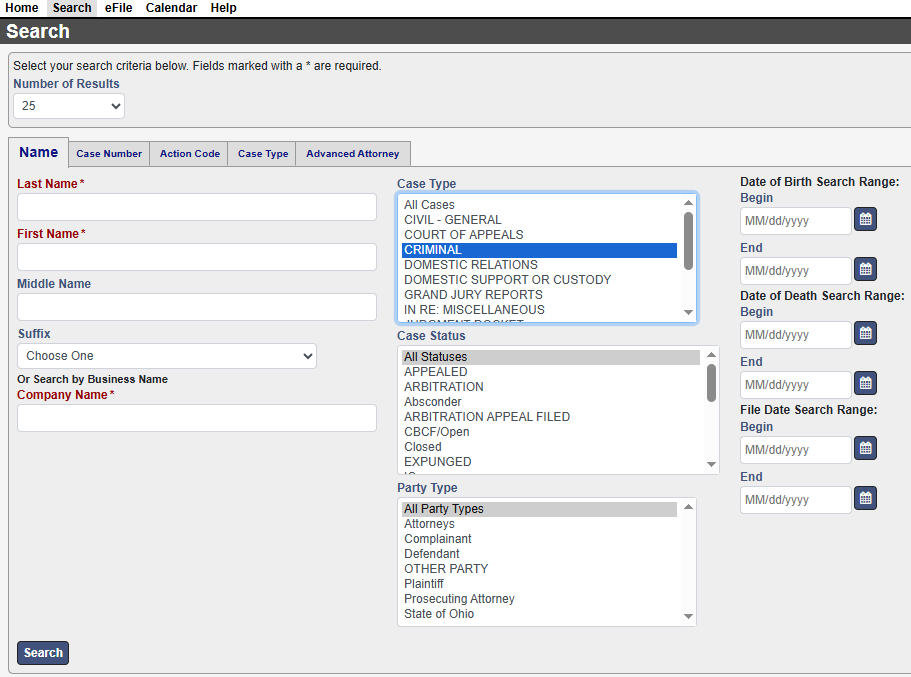
District court cases Butler County can be searched through the official Butler County Clerk of Courts portal. The system supports case lookup, docket access, and court records search using simple details like case number, party name, filing date, or case type. Users can view civil, criminal, and traffic case information in a structured format. This website is managed by the Butler County Clerk of Courts and provides public case information, docket entries, and filing details. It allows users to track district court cases Butler County without visiting the courthouse. The system updates records as cases move through hearings, filings, and judgments, making it useful for real-time case tracking and legal record checks.
official site: https://clerkofcourts.bcohio.gov/
Steps to Search Court Cases
- Open the official website: https://clerkofcourts.bcohio.gov/
- Select “E-Filing / Case Search system” option (if shown)
- Read and accept the terms and conditions on the page
- Choose the search type:
- Case Number
- Party Name
- Filing Date
- Case Type
- Enter the required details in the search fields
- Click the Search button
- View the list of matching district court cases Butler County
- Click on any case to open full details
- Check docket entries, filings, hearings, and case status
What Users Can View After Search
Once a case is opened, the system may show:
- Case status (open, closed, pending)
- Party names and attorney details
- Court hearing dates
- Filed documents and motions
- Final judgment or court orders
Jurisdiction and Authority of District Court
District court cases Butler County fall under a defined legal scope that controls what the court can hear and decide. The district court operates within fixed boundaries set by state law, which limits its authority based on case type and severity. It mainly handles trial-level matters and applies rules for civil disputes, criminal charges, and other local legal proceedings. These legal boundaries help separate lower courts from higher court jurisdiction and keep the judicial process organized. The court’s authority also connects with higher court jurisdiction, where appeals and complex cases may move after a final decision. This structure supports a clear legal system where each court has a specific role in handling cases and resolving disputes.
Legal Boundaries of District Court
The legal authority of the district court is limited by case type and monetary value. It does not handle every legal matter, but focuses on specific disputes defined by law. These limits help maintain order in the judicial system and ensure cases are directed to the correct court level. The court applies these limits while processing filings, hearings, and judgments. This structure helps divide responsibilities between lower and higher courts, ensuring each case is handled at the correct level of authority.
- Monetary limits for civil disputes and small claims cases
- Authority over misdemeanor criminal district court cases
- Handling traffic violations and local ordinance cases
- Limited role in early felony hearings depending on jurisdiction
- No authority over major constitutional or high-value disputes
Relationship with Higher Courts
The district court works as part of a larger judicial system that includes higher court jurisdiction. After a final decision, some cases may move to higher courts through appeals or legal transfers. This allows review of decisions made at the district level when a party challenges the outcome. This structure creates a clear legal pathway, where district cases Butler County court docket system are first resolved locally and then reviewed at higher levels if required.
How the relationship works:
- Appeals move from district court to higher courts for review
- Higher courts examine legal errors or procedural issues
- Some felony cases transfer after early hearings
- Appellate courts may affirm, reverse, or modify decisions
- District court records form the base for higher court review
Civil Litigation Process in District Court
Civil litigation cases move through a structured legal process in district court that begins with filing and ends with a final judgment. These cases involve disputes between parties over money, property, contracts, or personal claims. The process follows legal proceedings that allow both sides to present arguments and evidence before a judge makes a decision. Court trials follow set procedures to keep hearings fair, organized, and consistent across all civil matters. Each stage builds a complete record of the dispute. This helps the court maintain clarity in decision-making.
Case Initiation and Filing
Civil litigation cases begin when one party submits a formal complaint to the court. This filing starts the legal process and sets the case into motion. The complaint explains the issue, the damages claimed, and the legal basis for the case. After filing, the court assigns a case number and notifies the other party involved. This step officially brings the dispute under court review. It also creates a legal record for future proceedings. This stage creates the foundation for all further legal proceedings and ensures both parties are officially part of the case. It also sets deadlines for responses and next legal actions.
- Filing a written complaint with the court
- Paying required filing fees
- Assigning a case number for tracking
- Notifying the defendant through legal service
- Registering the case into the court system
Pre-Trial Activities
Before court trials begin, both sides prepare their arguments through pre-trial activities. This stage focuses on evidence collection, legal motions, and case preparation. Lawyers exchange documents and gather facts to support their position. The court may also hold hearings to resolve early disputes. These steps help reduce confusion during the trial phase. They also allow both parties to clarify legal issues in advance. These steps help clarify issues before the final hearing and reduce delays during trial proceedings. Proper preparation improves the efficiency of the entire legal process.
- Filing legal motions to request court decisions
- Exchanging evidence between both parties
- Taking witness statements and depositions
- Reviewing documents and case details
- Scheduling pre-trial hearings if needed
Trial Proceedings and Judgments
Trial proceedings take place in front of a judge where both sides present their arguments. Evidence is reviewed, witnesses may testify, and legal arguments are heard. The court follows strict procedures to maintain fairness throughout the process. Each side gets equal opportunity to present its case. The judge evaluates all facts before making a decision. The process ensures transparency in legal proceedings. After reviewing all facts, the court delivers a decision that resolves the civil litigation case. This judgment may include financial compensation, dismissal, or other legal orders depending on the case outcome. The decision becomes part of the official court record and may be appealed if allowed by law.
- Opening statements from both parties
- Presentation of evidence and witness testimony
- Cross-examination of witnesses
- Closing arguments summarizing each side’s case
- Final judgment issued by the judge
Public Access and Availability of Court Records
Public court records in Butler County allow users to review basic case details, filings, and hearing information through official court systems. These records support transparency by showing how district court cases Butler County move through legal proceedings from filing to judgment. Most civil and criminal case summaries can be viewed online or at the clerk’s office, depending on record type and availability rules. This system helps users stay informed about legal activity while maintaining structured record control within the court system. The Butler County District Court provides controlled public access to case information through official channels. Users can check case status, docket entries, and hearing dates where permitted. This access supports legal awareness and helps track ongoing matters without needing physical court visits. However, not all documents are fully open to the public, as some records remain restricted under state privacy laws.
Accessibility of District Court Records
District court cases Butler County are partially available to the public through online portals and clerk office systems. These records include basic case details that help users follow legal proceedings. Public access improves transparency and allows people to stay informed about civil litigation cases and criminal district court matters without special permissions. These records are usually searchable through official systems using simple inputs like name or case number. They provide a structured way to review case progress and legal activity in real time.
- Case number and filing details
- Party names involved in the case
- Court hearing schedules and dates
- Case status updates (open, closed, pending)
- Docket entries and procedural updates
Limitations and Confidential Records
Not all public court records are fully open for review. Some district court cases Butler County contain sensitive or protected information that is restricted by law. These limitations help protect privacy and maintain legal integrity in certain proceedings. Access to these records is limited to authorized parties such as attorneys, involved individuals, or court officials. This balance between access and restriction helps maintain both transparency and privacy within the legal system.
Restricted case types may include:
- Juvenile cases involving minors
- Sealed criminal investigations
- Adoption and family protection records
- Sensitive domestic or protective order details
- Cases under court-issued confidentiality orders
Location and Contact Information
The butler county district court location provides a central place where users can visit for filings, hearings, and court-related services. It also connects users to the Clerk of Courts office, which manages district court cases Butler County, including civil, criminal, and traffic records. This location helps individuals handle in-person requests, submit documents, and get official assistance for case-related queries. Most public records and services are also supported through the official online system for easier case lookup and updates. The Butler County District Court works through its courthouse and clerk office network to manage legal proceedings and maintain case records. Users can contact the office for assistance with docket searches, filings, or record requests. This section provides key contact details to help users reach the right department for court-related needs.
Court Address
This is the main physical location where district court cases Butler County are processed and maintained. Users can visit for filings, record requests, and official court services. The courthouse handles both civil and criminal matters at the local level. It also serves as the central hub for court administration in the county. Many legal documents and filings are processed directly at this location.
Butler County Courthouse Address: 315 High Street, Hamilton, Ohio 45011, USA
Clerk Office Contact Number
Users can contact the Clerk of Courts office for case-related help, record requests, or docket information. This number connects users to court staff who assist with case lookup, filing guidance, and general court record inquiries. It is the primary contact for district court cases Butler County support. Users can call during office hours for faster response and accurate information. Staff can guide users to the correct department based on their request.
Phone: (513) 887-3278
Office Hours
The Clerk of Courts office operates during standard government hours. Users are advised to visit or call during working hours for faster assistance. Court schedules may vary depending on hearings and legal proceedings. Arriving during office hours helps ensure direct access to staff support. It also reduces waiting time for in-person services.
Office Hours:
- Monday to Friday: 8:00 AM – 4:30 PM
- Saturday & Sunday: Closed
- Public Holidays: Closed
Official Website for Case Lookup
This website provides case lookup, docket search, filing information, and record tracking. It allows users to search by case number, party name, or filing date. The system supports civil litigation cases, criminal district court records, and traffic case details in a structured format for easy access. It also updates case information as new filings and hearings are added. Users can check records anytime without visiting the courthouse. Users can access district court cases Butler County through the official online system.
Official site: https://clerkofcourts.bcohio.gov/
Frequently Asked Questions
The butler county district court faq section gives clear answers to common questions about district court cases Butler County, case lookup methods, and public record availability. It helps users understand how court records search works, what details are needed, and how legal proceedings move through the system. Many users look for simple explanations about civil, criminal, and traffic case information without reading complex legal documents. This section provides that clarity in a structured and easy-to-read format. The Butler County District Court manages district-level legal proceedings and maintains official case records that can be reviewed where permitted by law. Users often ask about online access, required search details, and case timelines. These FAQs help explain the process in a simple way so users can quickly understand how the system works and how to find relevant court information.
How can district court cases be searched in Butler County?
District court cases Butler County can be searched through the official Clerk of Courts system or by visiting the courthouse in person. Users can enter a case number, party name, or filing date into the search tool to find matching records. The system then displays relevant case details such as status, hearing dates, and docket entries. This makes it easier for users to perform a structured court records search without needing legal assistance. Each search method helps narrow down results based on the information available. The process is designed to support quick case lookup for civil, criminal, and traffic matters. Users who already have a case number can find records instantly, while others can use names or dates for broader searches. This flexibility helps different users, including attorneys and the public, locate district court cases Butler County with accuracy. The system also updates records regularly, so users can track ongoing legal proceedings and review case activity in real time.
Are district court case records publicly available?
Most district court cases Butler County records are available for public viewing through official court systems. These public court records usually include basic information such as party names, case numbers, filing dates, and docket updates. This availability supports transparency in legal proceedings and allows users to stay informed about civil litigation cases and criminal district court matters. However, access depends on the type of case and legal restrictions applied by the court. Some records are not open to the public due to privacy laws and court orders. These may include juvenile cases, sealed documents, adoption matters, and sensitive domestic relations cases. Even in public systems, certain detailed documents may require special permission or in-person requests. This balance helps maintain transparency while protecting confidential legal information. Users are encouraged to check official sources for accurate and updated record availability.
What information is required to find a case?
To search district court cases Butler County, users need basic identifying details that help the system locate the correct record. The most common search inputs include a case number, party name, filing date, or case type. Each of these details helps narrow down results in the court records search system. Having accurate information improves search speed and reduces unrelated or duplicate results in the database. In many situations, even partial information can help locate a case, especially when the full case number is not available. For example, entering a last name or approximate filing date can still return useful results. Users should check spelling carefully, as small errors may affect search accuracy. This system supports both simple and advanced searches for district court cases Butler County, making it easier for users to find relevant legal information.
Can records be accessed online?
Yes, many district court cases Butler County records can be accessed online through the official Clerk of Courts portal. The online system allows users to perform case lookup, view docket entries, and check hearing updates from any location. This digital access makes it easier for users to track civil litigation cases and criminal district court matters without visiting the courthouse. It also helps reduce delays in obtaining basic case information. However, not all records are fully available online. Some documents may be restricted due to privacy laws, court orders, or sensitive case details. In such situations, users may need to request records directly from the clerk’s office. The online system is updated regularly, so users can stay informed about active cases and recent changes. This improves convenience while maintaining proper control over legal information.
How long does a district court case usually take?
The duration of district court cases Butler County varies based on case type, complexity, and court schedule. Simple cases such as traffic violations or small claims may be resolved within a few weeks. More complex civil litigation cases or criminal district court matters can take several months or longer. The timeline depends on hearings, evidence collection, motions, and court availability. Delays may occur if additional hearings are required or if legal motions are filed by either party. Some cases also take longer due to witness availability or procedural requirements. Each case follows its own schedule within the court system, so there is no fixed timeline. Users can monitor progress through court records search tools to stay updated on hearings and case developments.