Butler County juvenile court case information provides details about legal cases involving minors, including case status, hearings, and outcomes. These records help authorized users review juvenile proceedings while protecting sensitive youth information under strict legal rules. Butler County juvenile court handles cases related to minors, including delinquency, custody, and dependency matters within the youth court system. The court focuses on correction, supervision, and long-term support for young offenders and families. Case records include filings, hearing dates, and court decisions that help track progress. These records support parents, guardians, and legal representatives who need accurate updates. The system follows structured legal steps, making it easier to review case activity while keeping processes clear and organized for those involved in juvenile proceedings.
Butler County juvenile court case information follows strict confidentiality rules to protect minors and sensitive legal details. Most records remain limited to authorized parties, which helps keep personal data secure and prevents public exposure. This legal protection supports fair treatment and future opportunities for youth involved in cases. At the same time, approved users can review case updates, court orders, and legal filings when needed. The balance between privacy and transparency allows the system to maintain trust while handling juvenile proceedings with care and responsibility.
What is Butler County Juvenile Court System
The Butler County juvenile court system handles legal matters involving minors, focusing on care, correction, and structured support. It manages juvenile proceedings and family court matters with a goal to guide youth toward better outcomes. The Butler County Court juvenile court system forms a core part of the local youth legal system. It manages cases involving minors and works closely with families, schools, and service agencies. The court focuses on behavior correction, safety, and long-term stability for children. It handles each case through structured steps such as filing, review, and hearings. This system promotes accountability while supporting growth. It creates a balanced approach that addresses legal issues and helps minors move toward better life outcomes through supervised and fair juvenile proceedings.
Role of Butler County Juvenile Court
The Butler County juvenile court plays a central role in handling minor legal cases and family-related concerns. It reviews case details, conducts hearings, and issues decisions that support both protection and accountability. The court works with social services, schools, and guardians to create safe solutions for youth. Its goal is to guide minors through correction and support programs. The system focuses on structured supervision rather than strict penalties. This approach helps build responsibility in young individuals while maintaining fairness in all juvenile proceedings and family court matters.
- Handles juvenile proceedings from start to final decision
- Protects children in family court matters
- Works with social and community support services
- Monitors compliance with court orders
Difference Between Juvenile and Adult Courts
The Butler County juvenile court differs from adult courts in purpose, process, and outcomes. The juvenile system focuses on guidance, correction, and support for minors. It keeps records restricted to protect youth privacy. Court procedures are less formal and more focused on rehabilitation. Adult courts deal with punishment and public records. The youth legal system aims to help minors improve behavior through supervision and programs. This difference helps protect future opportunities for young people while still addressing legal responsibility in a structured and fair manner.
- Juvenile court focuses on rehabilitation and support
- Adult court focuses on punishment and enforcement
- Juvenile records remain restricted
- Adult court records are usually public
How to Search Butler County Juvenile Court Case Records
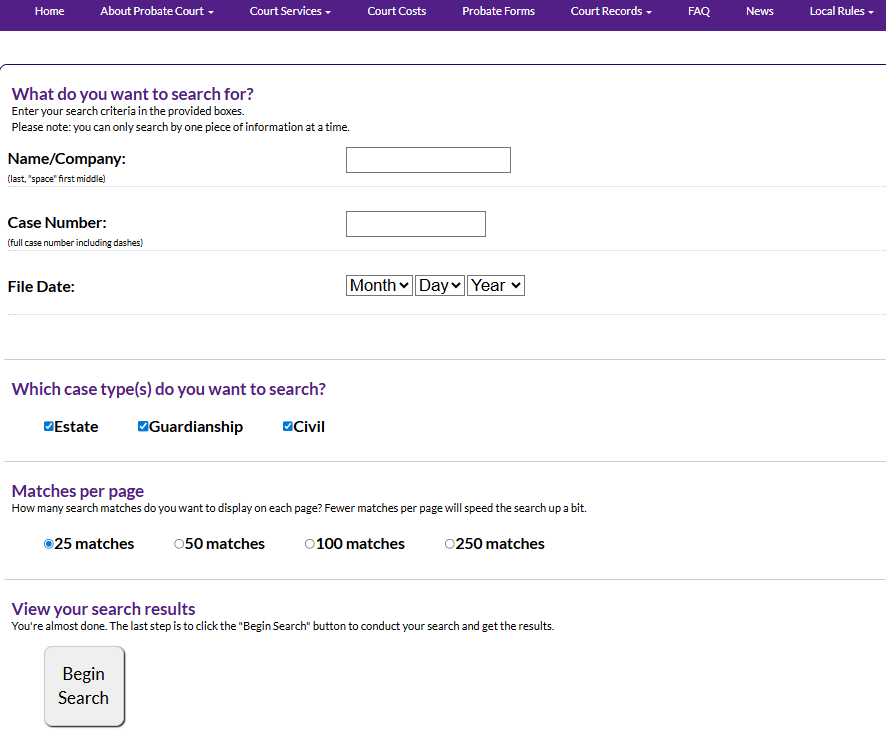
Users can search Butler County juvenile court case records through official online tools or by visiting the court clerk office. The process requires basic details like name, case number, or filing date, with some limits due to privacy rules for juvenile filings. The official court system provides limited digital search options and in-person support for reviewing youth court records in Butler County. Users should start with the official website and then follow step-by-step instructions based on their search method. Juvenile records remain restricted in many cases, so full details may only be available to approved parties. The court system updates records with some delay, and online data may not always show real-time changes.
Official Website: https://probatecourt.bcohio.gov/
Online Case Search
Online search tools allow users to check basic case details through the official court system. The process is simple but limited for juvenile proceedings due to confidentiality. Access may require specific details such as a case number or full name for accurate results. Some records may not appear online and can require direct contact with the court office.
- Go to the official site: https://probatecourt.bcohio.gov/
- Click on Court Records and select record search
- Click “Continue” to accept terms and conditions
- Enter search details such as:
- Party name
- Case number
- Submit the search request
- Review available case results and status updates
- Displays limited case information
- Updates may take at least 24 hours after filings
- Sensitive juvenile filings may not appear publicly
In-Person Record Access
Visiting the clerk office gives more detailed access to juvenile case files, especially when online systems show limited results.
- Visit the Juvenile Court Clerk office at: 280 N Fair Ave, Hamilton, Ohio
- Request case lookup assistance at the counter
- Provide valid identification
- Share case details such as name or filing date
- Wait for staff to retrieve available records
- Staff may restrict access based on confidentiality
- Full records are shared only with authorized parties
- Court staff can help explain case status and filings
Information Needed for Case Lookup
Accurate information is required to search Butler County juvenile court records successfully. Missing details can delay or block results.
Case search requirements:
- Party name (minor or guardian involved)
- Case number (if available)
- Filing date for better accuracy
- Case type such as delinquency or custody
Legal Terms Used in Juvenile Court Cases
Juvenile court cases use specific legal terms that describe roles, actions, and final outcomes. These terms help users read case records clearly and understand each stage of juvenile proceedings. Learning basic legal terminology in juvenile cases makes it easier to follow court records and filings. Each term has a clear meaning within the youth legal system and appears often in case documents. These words describe the minor’s status, the court process, and the people involved. Knowing them helps parents, guardians, and legal representatives review records with confidence. It reduces confusion during hearings or case updates. It improves clarity while reading legal documents. It helps users follow each step of juvenile proceedings more effectively.
Delinquent Child
A delinquent child refers to a minor who has been accused or found responsible for violating a law. This term is used in juvenile proceedings instead of labeling the minor as a criminal. The court focuses on correction and supervision rather than punishment. It reviews the child’s behavior, background, and circumstances before making decisions. This approach supports guidance and improvement while maintaining accountability within the youth justice system. It avoids harsh labels that may affect the child’s future. It promotes fair treatment within legal limits.
- Used for minors involved in law violations
- Focuses on correction instead of punishment
- Common in juvenile filings and court records
Guardian ad Litem
A guardian ad litem is a court-appointed representative who acts in the best interest of the child during legal proceedings. This person reviews the case, speaks with involved parties, and provides recommendations to the court. The role is important in custody and dependency cases where child safety is a concern. The guardian does not replace parents but supports fair decisions based on the child’s needs. This role helps the court see the full situation clearly. It supports balanced decisions in complex family court matters.
- Appointed by the court
- Represents the child’s best interest
- Common in family court matters
Disposition
Disposition refers to the final decision made by the juvenile court after reviewing all case details. It outlines what actions the minor must follow, such as counseling, probation, or community service. The goal is to correct behavior and support growth. The court chooses outcomes based on the case type and the minor’s situation. This term appears at the end of most juvenile proceedings and defines the official case result. It provides closure to the case process. It sets clear expectations for the minor moving forward.
- Final outcome of a case
- May include supervision or programs
- Focuses on rehabilitation
Petition
A petition is the formal document that starts a juvenile court case. It includes details about the allegations or concerns involving the minor. This document is filed with the court through the clerk of court to begin legal action. It sets the stage for hearings and further proceedings. The court reviews the petition before moving forward with the case. This step confirms whether the case should proceed. It helps organize facts before hearings begin.
- Starts the legal process
- Contains case allegations
- Required for all juvenile proceedings
Types of Juvenile Cases in Butler County
Juvenile cases in Butler County include different legal matters involving minors, such as delinquency, dependency, and family-related disputes. These cases focus on guidance, protection, and structured handling of minor offenses within the youth court system. The Butler County juvenile court handles a wide range of juvenile cases based on the needs and circumstances of minors. These cases fall under categories like minor offenses handling and child protection cases. Each type follows a legal process that includes filing, hearings, and final decisions. The court reviews facts carefully and works with families, schools, and agencies. This approach supports both accountability and care. It helps minors correct behavior and stay protected. The system keeps a balance between legal action and support services.
Delinquency Cases
Delinquency cases involve minors accused of breaking the law, which are treated as youth crimes in the juvenile system. These cases include actions such as theft, vandalism, or assault. The court reviews evidence, hears both sides, and decides outcomes based on the situation. Legal consequences often focus on correction rather than punishment. The goal is to guide the minor and prevent future offenses. It includes structured programs and supervision. This process helps minors learn responsibility and improve behavior within the youth justice system.
- Examples include theft, vandalism, assault
- Consequences may include probation or counseling
- Focus remains on correction and supervision
Dependency and Neglect Cases
Dependency and neglect cases focus on child protection when a minor’s safety or well-being is at risk. These cases involve situations where parents or guardians may not provide proper care. The court works with child welfare agencies to review the child’s living conditions. It takes steps to protect the child and provide a safe environment. Guardians, social workers, and state agencies play key roles in these cases. The court may place the child under supervision. It aims to protect and support the child’s needs.
- Involves child welfare and safety concerns
- Includes state and agency involvement
- Focus on protection and proper care
Status Offenses
Status offenses are actions that are only considered violations due to the minor’s age. These include truancy, curfew violations, or running away from home. These cases are non-criminal but still handled by the juvenile court. The goal is to correct behavior and address underlying issues. The court may involve counseling or supervision programs. These cases focus on guidance rather than penalties. This helps minors stay on track and avoid more serious legal issues later.
- Includes truancy and curfew violations
- Non-criminal but court-handled
- Focus on correction and support
Custody and Family-Related issues
Custody and family-related matters involve disputes between parents or guardians regarding the care of a child. These cases fall under family court matters within the juvenile system. The court reviews each situation and makes decisions based on the child’s best interest. It may assign guardianship or adjust custody arrangements. These cases often involve emotional and legal factors. The court aims to provide stability and safety for the child. It supports fair outcomes for all parties involved.
- Covers parental disputes and custody issues
- May include guardianship decisions
- Focus on child’s safety and stability
Juvenile Court Records and Confidentiality
Juvenile court records are restricted to protect minors and keep sensitive case details private. Only authorized parties can view these records under strict youth legal privacy rules. Juvenile court records in Butler County follow strong confidentiality standards to protect minors involved in child protection cases and other legal matters. These records contain sensitive information about a child’s background, behavior, and family situation. Public exposure could harm the minor’s future, so the court limits visibility. The system focuses on privacy, safety, and fairness. Legal rules control how records are stored and shared. This approach supports rehabilitation and prevents misuse of personal data while keeping juvenile proceedings secure and respectful.
Why Juvenile Records Are Restricted
Juvenile records are restricted to protect minors from long-term harm and public exposure. These cases often involve personal and sensitive details that should remain private. The court limits record visibility to support the child’s future and emotional well-being. This restriction helps prevent misuse of information and unfair judgment. It keeps legal matters focused on correction and support. The system values youth legal privacy at every stage. It promotes a safe legal environment for minors. It reduces risks linked to public record exposure.
- Protects sensitive personal information
- Prevents public access to minor records
- Supports rehabilitation and future stability
Who Can Access Records
Only certain parties can access juvenile court records based on legal permission and involvement in the case. Access is granted to protect confidentiality while allowing proper legal review. Parents, guardians, and attorneys often have the right to review records. Court officials and authorized agencies may also access case files when needed. Each request goes through verification before approval. This process controls who can view sensitive details. It keeps information secure within the legal system. It limits exposure to unauthorized users.
- Parents or legal guardians
- Attorneys involved in the case
- Court officials and authorized agencies
Legal Protections for Minors
Legal protections for minors ensure that juvenile court records remain secure and are used only for proper legal purposes. Laws restrict sharing, copying, or publishing of sensitive case details. Courts may seal or limit records after case completion. These protections help minors avoid negative impacts on education, employment, or social life. The system maintains strong control over data handling. It supports fair treatment and second chances. Youth legal privacy remains a priority in all juvenile proceedings.
- Records may be sealed after case closure
- Sharing of information is legally restricted
- Protects future opportunities for minors
Location and Contact Information
Butler County Juvenile Court contact details include its physical address, phone number, and official website for case-related support. These details help users connect with the court for record inquiries, hearings, and general assistance. The Butler County juvenile court provides multiple ways to get in touch for help with juvenile proceedings, record requests, and general questions. Users can visit the court in person, call for quick support, or use the official website for updates. These contact options help users stay informed about case status, hearing schedules, and filing procedures. Court staff guide visitors through available services and answer questions within legal limits. Using official contact details improves accuracy and saves time during any case-related process.
Court Contact Details
The following contact details provide direct ways to reach the Butler County juvenile court for support and inquiries. Each option serves a specific purpose, whether for visiting, calling, or checking updates online. Users should keep this information ready when dealing with juvenile case matters. It helps in faster communication and better coordination with court staff. These official sources provide reliable and updated information for all court-related needs.
- Court Address: 280 North Fair Avenue, Hamilton, Ohio 45011, United States
- Phone Number: (513) 887-3300
- Official Website: https://juvenilejusticecenter.bcohio.go
Frequently Asked Questions
Butler County juvenile court FAQ answers common questions about case records, search methods, and legal timelines. These answers help users understand juvenile proceedings and how the system works while protecting youth privacy. This section covers common questions related to Butler County juvenile court case information. It explains how records work, what details are needed for searches, and how long cases may take. The answers are written in simple terms to support better clarity. They reflect rules linked to juvenile help and legal privacy. Users can quickly find accurate information about youth court records. It reduces confusion during legal processes. It supports better decision-making for families and legal representatives. It improves awareness of court procedures. It helps users stay prepared for each step.
Are juvenile court records public?
Juvenile court records in Butler County are not public in most cases. The court restricts these records to protect minors and keep sensitive details private. Only authorized parties such as parents, guardians, attorneys, and court officials can view full records. Some limited case information may be available, though details remain restricted. These rules support youth legal privacy and prevent misuse of personal data. The court follows strict legal standards to keep records secure. This approach protects the minor’s future. It supports fair treatment in juvenile proceedings. It limits public exposure of sensitive data. It keeps personal history protected.
How can I search for a juvenile case?
Users can search for a juvenile case through online tools or by visiting the court clerk office. The online system allows basic lookup using a name or case number, though results may be limited. For detailed records, users should visit the court in person and request assistance. The clerk may ask for identification before sharing information. This process helps maintain confidentiality while supporting proper record checks. Using correct details improves search results. It saves time during lookup. It helps users track case progress more effectively. It reduces chances of errors in search results. It supports accurate case identification.
What details are required for case lookup?
Searching for a juvenile case requires specific information to locate the correct record. The most common details include the party name, case number, and filing date. Users may also need to provide the case type, such as delinquency or custody. Accurate information helps the system match records quickly and avoid errors. If details are incomplete, the search may not return results. Court staff may assist in refining the search. These requirements keep records organized. They improve search accuracy and efficiency. They help avoid delays in finding records. They support faster case tracking.
Can cases be accessed online?
Some juvenile case information can be accessed online, though access remains limited. The official court website may provide basic case status, hearing dates, or filing updates. Full records are usually restricted to protect minors and sensitive information. Users should use the official site for safe and reliable searches. In many cases, detailed records require an in-person request at the court. This system balances convenience with legal privacy. It allows quick status checks. It keeps sensitive details protected under court rules. It reduces unnecessary courthouse visits. It supports basic online verification.
How long do juvenile cases take?
The length of juvenile cases in Butler County depends on the case type and complexity. Simple cases, such as minor offenses, may resolve within a few weeks or months. More serious or complex cases, including custody or dependency matters, may take longer. The court follows a structured process that includes filing, hearings, and final decisions. Delays can occur if more evidence or reviews are needed. Each case moves at its own pace. This helps maintain fairness. It supports accurate and balanced court decisions. It allows proper review of all facts. It ensures fair outcomes for all parties.